Rusty City is a desktop city sim with no game engine — just Rust, a TUI library, and a lot of simulation logic. Citizens are born, find work, commute by bus, raise families, and eventually die. You build roads, homes, offices and shops; bus routes emerge from connections you draw between buildings. Random events — heat waves, economic booms, residents moving away — force policy decisions with real trade-offs.
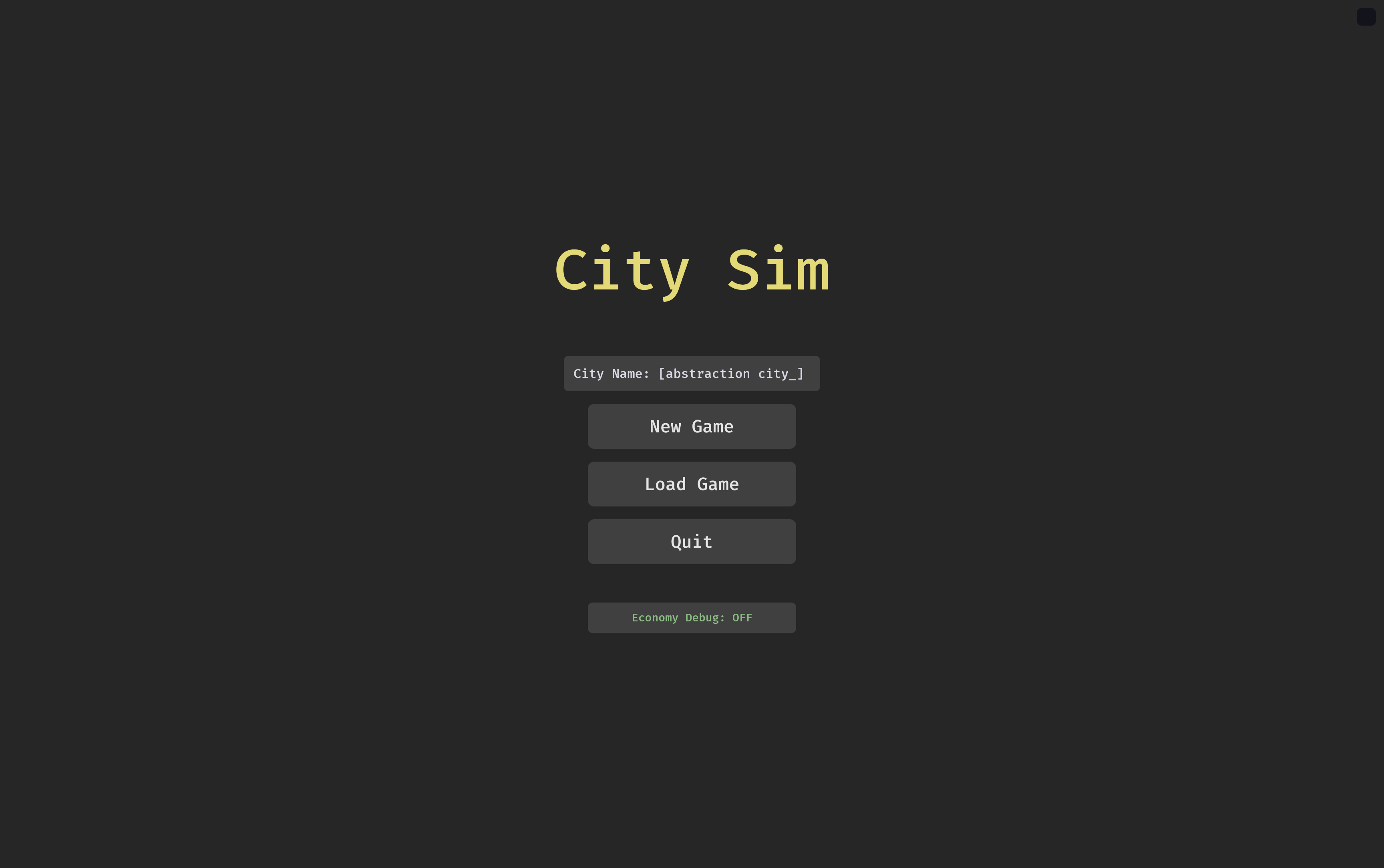
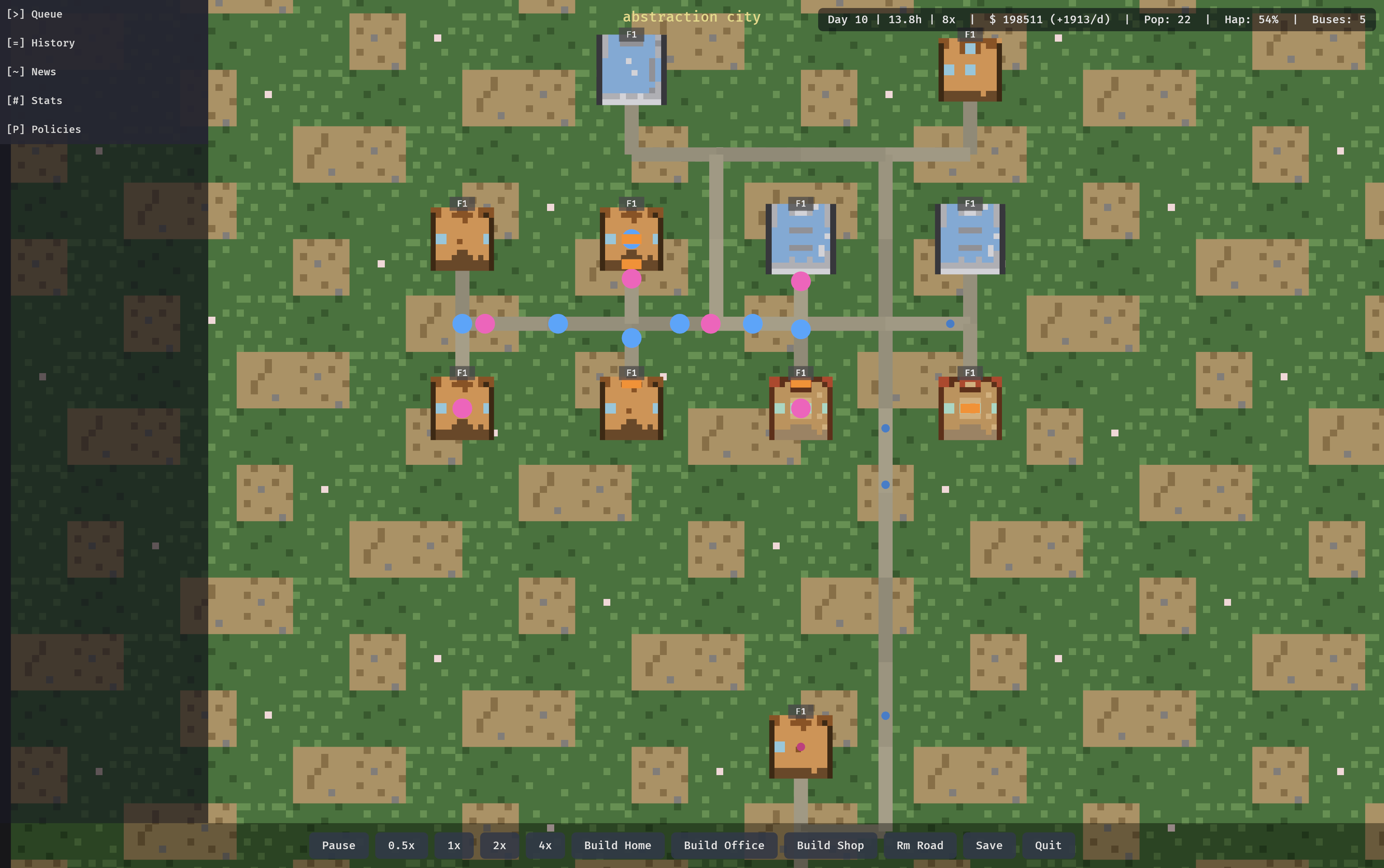
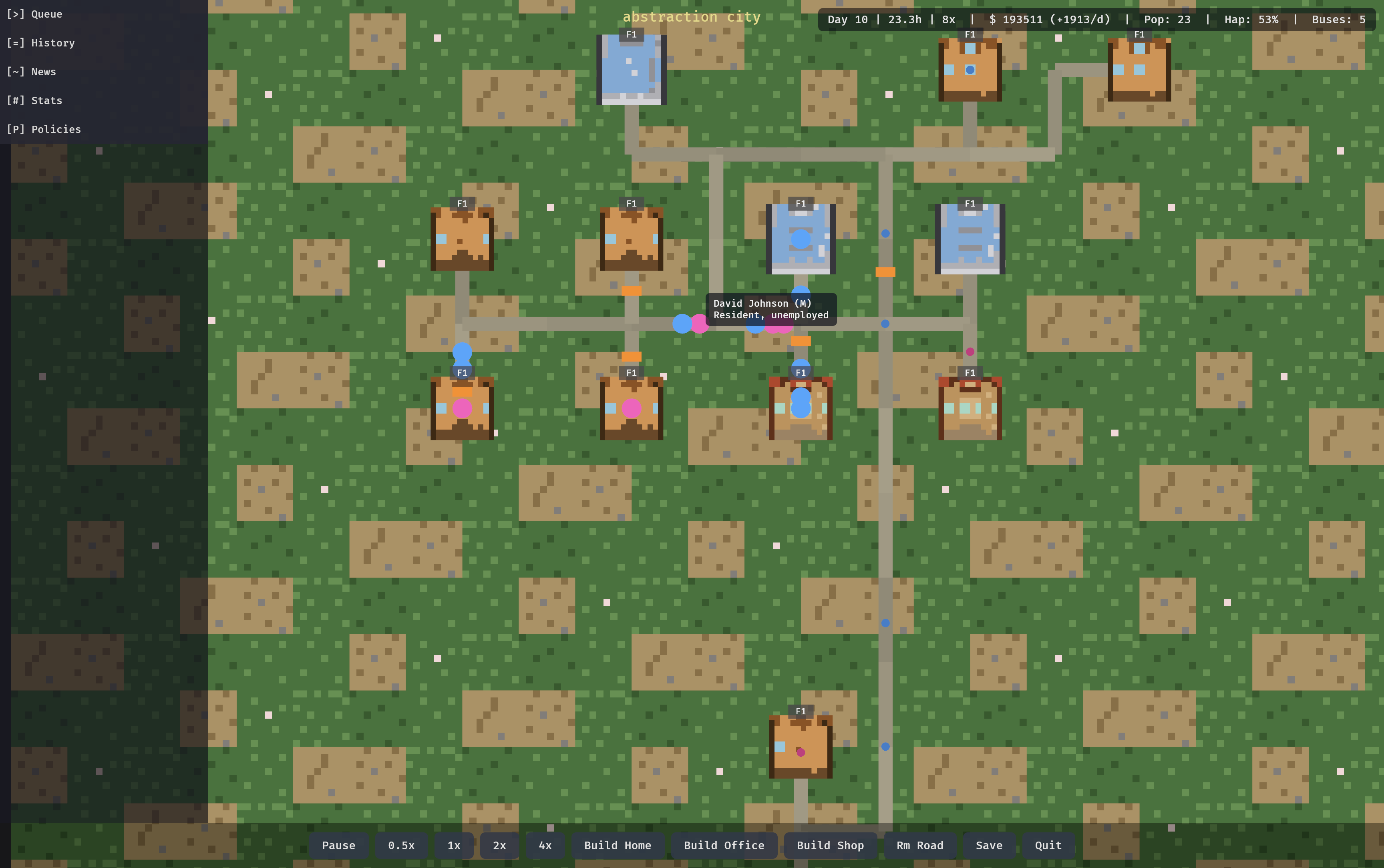
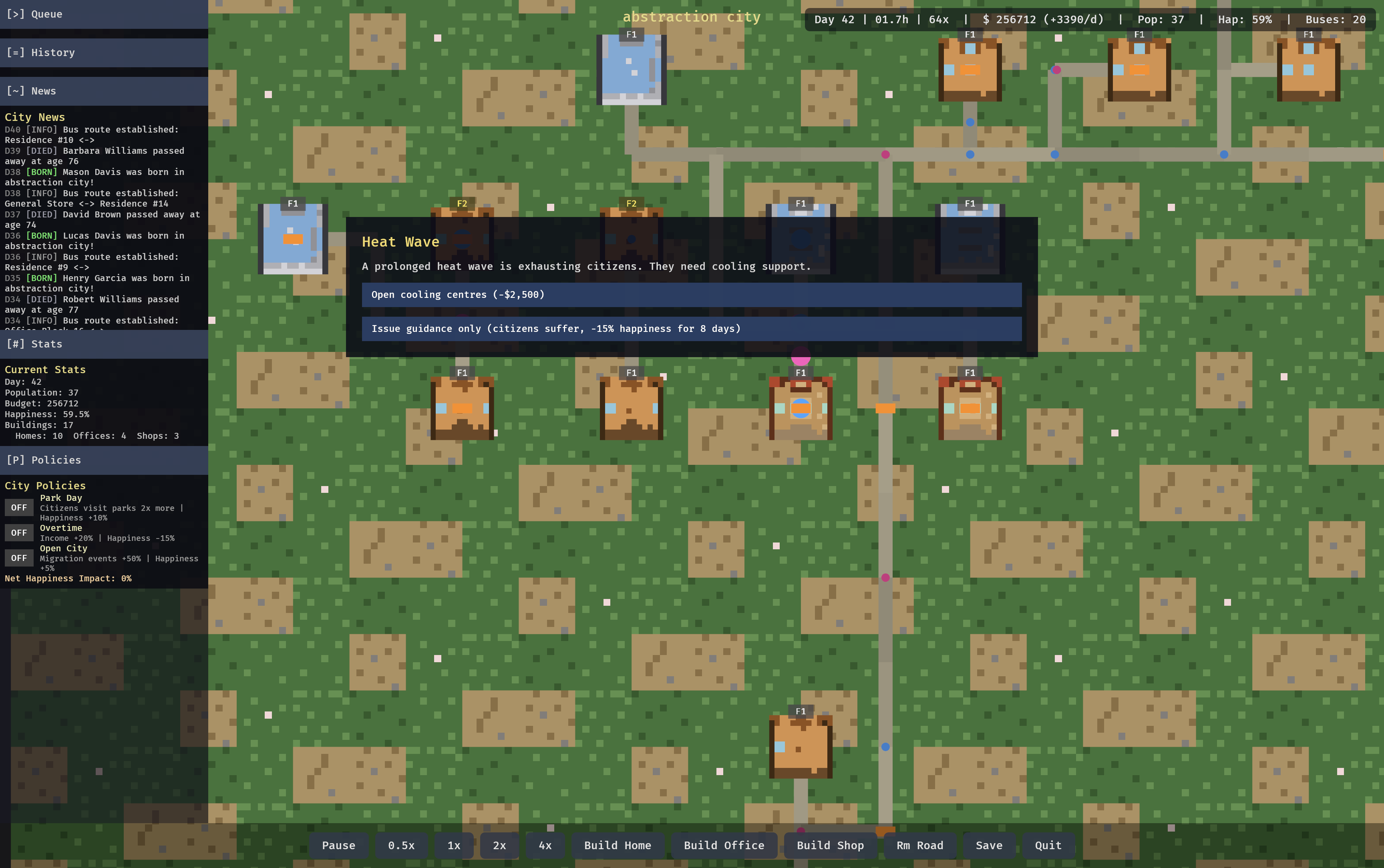
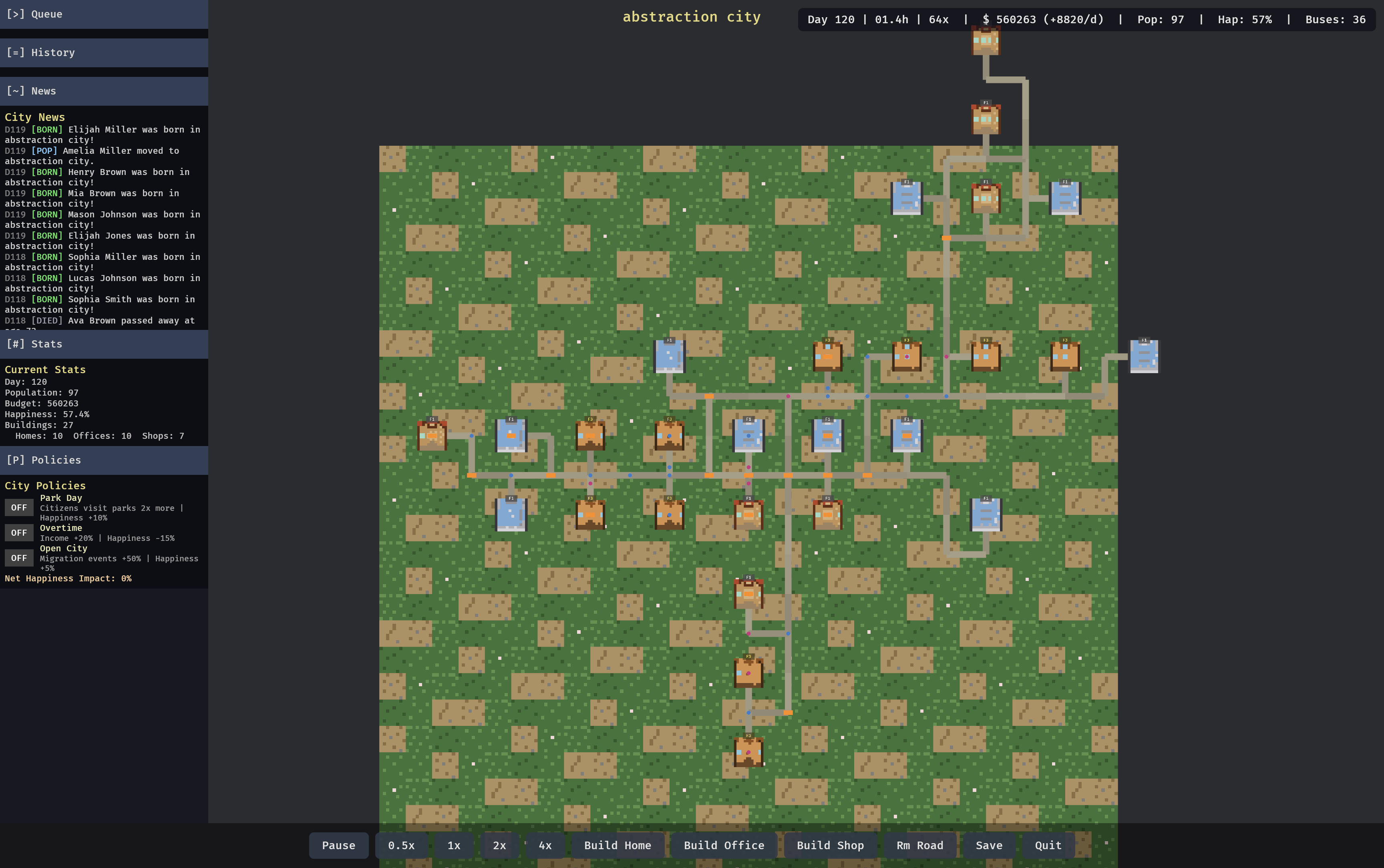
An event-driven simulation loop: each tick advances the simulation clock, processes citizen actions, evaluates random events, and redraws the TUI. Citizens are stored as a flat Vec with indices used as IDs — a simple ECS-adjacent approach that avoids Rust lifetime headaches. The map is a 2D grid; bus routing is computed as BFS over the road graph.
This was the most technically challenging project — Rust's borrow checker is unforgiving, and the AI (GitHub Copilot + Claude) was genuinely useful here. When I was stuck on lifetime errors, asking the AI to explain why the borrow was invalid was more useful than asking it to fix the code.
The simulation logic — citizen decision-making, bus routing, event probability curves — was designed entirely by hand. The AI had no useful prior here; it kept suggesting object-oriented patterns that don't translate to idiomatic Rust.
Ratatui's layout system clicked quickly with AI help. Widget composition felt similar to React, and Copilot's suggestions for the stats panels and the history log were solid first drafts that needed only minor adjustment.